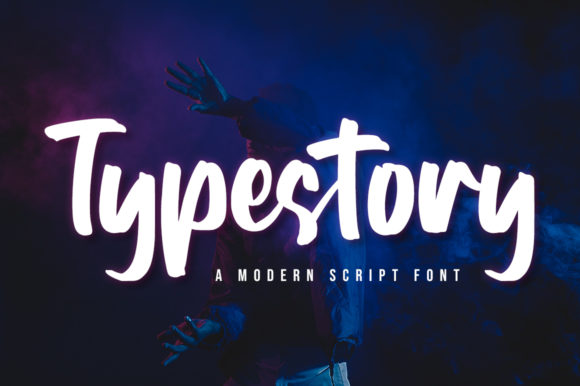
Typestory: A Handwritten Font for Creative Makers
There’s something special about the way Typestory feels when it lands on a label or a card. I was working on a batch of candle labels last week, and I knew right away that this font would bring the kind of warmth and personality I wanted. It’s bold, yet soft in its curves, with a handcrafted energy that makes every design feel intentional.
Typestory is a script font that leans into the charm of handwritten typography. Its strokes have a natural flow, with subtle variations that make it feel like it was written by someone with a steady hand and a creative eye. The font has a casual yet refined look, perfect for anything from playful greeting cards to elegant wedding invitations.
One of the things I love most about Typestory is how it works across different scales. Whether I’m designing a small sticker or a large banner, the font retains its character without losing clarity. It’s great for headlines, but I’ve also used it for longer blocks of text, especially when paired with a clean sans serif font for contrast.
Using Typestory in Real-World Projects
I recently designed a set of farmhouse-style signs for a seasonal shop. The client wanted something that felt homey and inviting, and Typestory fit the bill perfectly. I paired it with a simple serif font for the details, which gave the signs a balanced, professional look while keeping the handmade feel intact.
For a recent batch of printable wall art, I used Typestory as the main headline. The font added a personal touch that made the designs stand out. I also tested it on a series of birthday invitations, where its expressive style brought a sense of celebration and joy to each piece.
When I was working on a set of boutique tags for a small business, I found that Typestory worked well for both product names and pricing. It’s readable enough for small labels, and the variation in stroke weight adds visual interest without being overwhelming.
Practical Tips for Using Typestory
If you’re using Typestory for cutting machines like Cricut or Silhouette, be sure to test it at different sizes. The font holds up well, but some of the more intricate swashes might need adjustment for precise cuts. For printed cards or labels, I recommend using a high-quality printer to ensure the details come through clearly.
When designing for digital downloads, such as printable templates or social media graphics, Typestory can add a unique flair. It pairs well with modern typography, making it a versatile choice for branding materials, website headers, or email newsletters.
For handmade products like mugs, shirts, or tote bags, Typestory can be used as a decorative element. I’ve seen it work beautifully on custom prints, where the font’s personality complements the overall design without overpowering it.
Font Pairing and Design Considerations
Pairing Typestory with other fonts can help create a cohesive design. A clean sans serif like Montserrat or Lato can balance the font’s fluidity, while a simple serif like Georgia or Playfair Display can add a touch of elegance. For more playful projects, a bold display font or another handwritten font can create an interesting contrast.
When using Typestory for longer text, such as in a planner page or a printable guide, it’s best to keep the content short and focused. The font’s expressive nature works best for titles, headings, and short phrases rather than full paragraphs.
It’s also worth checking the font’s included styles, alternates, and ligatures. These features can add variety to your designs and help avoid repetition. If you’re planning to use Typestory for commercial purposes, make sure to review the licensing terms to ensure it’s suitable for your project.
Exploring Typestory in Different Mediums
I’ve used Typestory on holiday tags, where its boldness stood out against the background of festive colors. It also works well for wedding welcome boards, adding a personal touch to event signage. For a recent batch of digital printables, I used it as the main text for a set of printable planners, where its style complemented the overall aesthetic.
On packaging design, Typestory brings a sense of authenticity and craftsmanship. It’s ideal for small businesses looking to build a brand identity that feels approachable and creative. Whether it’s on a gift box or a product tag, the font adds a level of detail that customers appreciate.
For seasonal products, like pumpkin spice candles or Christmas cards, Typestory adds a warm, inviting feel. It’s a great choice for any project that wants to convey a handmade, personalized vibe.
Final Thoughts on Typestory
As a maker, I always look for fonts that add value to my designs without complicating the process. Typestory does exactly that. It’s a versatile, expressive typeface that fits into a wide range of projects, from simple labels to complex stationery sets. Its personality makes it stand out, and its readability ensures it works well in practical applications.
Whether you’re creating greeting cards, wedding invitations, or digital printables, Typestory is a font that brings creativity and character to every design. It’s a great addition to any maker’s toolkit, especially for those who want to elevate their shop materials and product presentation.
With its bold, handwritten style and adaptable nature, Typestory is a font that feels both modern and timeless. It’s perfect for anyone looking to add a touch of handmade charm to their work.